Trans Augrabies MTB 2-Day Stage Race
Race Overview
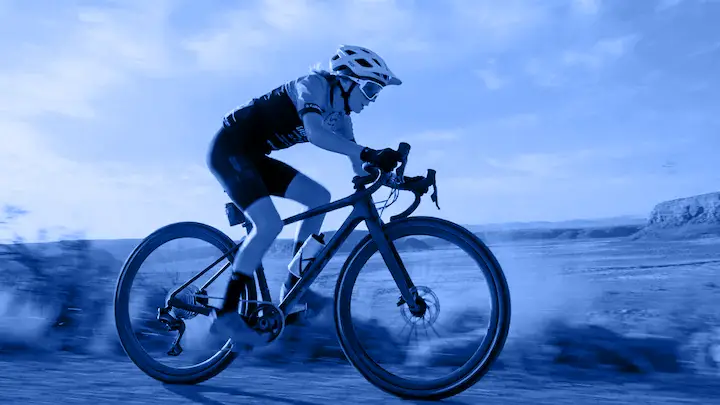
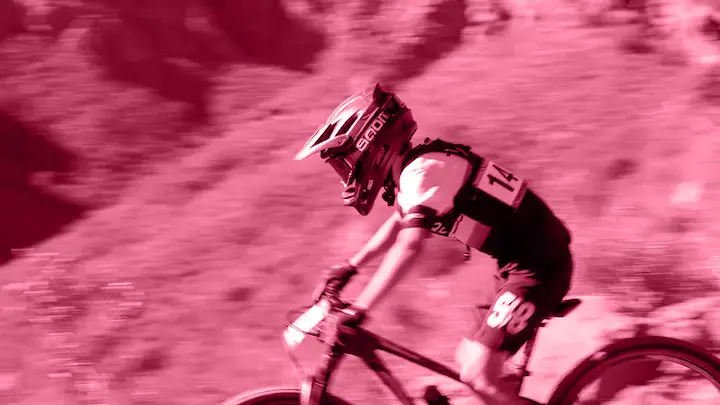
Prepare to test your mettle and your machine against one of South Africa’s most awe-inspiring and rugged landscapes. The Trans Augrabies MTB Stage Race is a premier 2-day endurance adventure set in the heart of the Green Kalahari, covering 170 km of diverse, untamed terrain with a total vertical ascent of 2309 m.
Two Stages of Pure Mountain Biking
This is a journey through ever-changing conditions—combining a true physical challenge with spectacular natural beauty. Whether you’re a seasoned marathon racer chasing the podium or an adventure rider seeking the ultimate desert experience, this route delivers a ride like no other.
The course traverses a region recently named one of Rough Guides’ Top Ten Adventure Destinations, where the vast Kalahari desert meets the lush, green corridor of the Gariep (Orange) River valley. Riders will experience the raw, untouched beauty of the Augrabies Falls National Park—navigating technical granite slabs, ancient quiver tree forests, and the thunderous roar of the "Place of Great Noise."
An Authentic Northern Cape MTB Challenge
This is no ordinary stage race. It is a visceral encounter with the Northern Cape, where the red sands and rocky outcrops demand respect and reward you with breathtaking vistas. For those who take on the challenge, the reward is a truly authentic mountain biking adventure that will stay with you long after you’ve washed the Kalahari dust from your bike.
Route & GPS
Stage 01
Day One of the Trans Augrabies MTB Stage Race is a high-energy introduction to the rugged soul of the Northern Cape. Covering 82 km with a punchy 1173 m of climbing, this stage explores the vast, untamed landscapes surrounding the Augrabies Falls National Park.
The route is a masterclass in desert mountain biking, designed to test your power and technical finesse. Prepare for a diverse mix of terrain—from fast-rolling district roads that allow for high-speed bunch riding to technical sandy sectors and ancient tracks that demand precision line choice. As you navigate the arid plains and granite outcrops, you’ll experience the stark, high-contrast beauty of the Green Kalahari at its most raw. It is a demanding start to the event, but as the orange dust settles and the vast horizons open up, you’ll realize this is more than just a race—it’s an immersive journey into the heart of the desert.
LET'S TAKE YOU ON THE JOURNEY
- 00–15 km
- 15–21 km
- 21–25 km
- 25–28 km
- 28–34 km
- 34–40 km
- 40–48 km
- 48–53 km
- 53–59 km
- 59–65 km
- 65–71 km
- 71–82 km
Begin your Trans Augrabies MTB journey on the famous tourist route. This 15 km stretch of open Kalahari gravel road features rolling hills and three cold, slippery water crossings—stay focused to avoid an early splash! You’ll be mesmerized by the ancient rock collar formations and the chance to spot Giraffes or even a leopard. The surface is good, though it can feel "sticky" under tire. You'll pass the first water point at 15 km, which you will revisit later at the 65.5 km mark.
Turning right onto a spectacular jeep track descent, the Northern Cape landscape shifts dramatically. Skilled riders will love the technical flow down into the Blouputs Valley. Keep an eye out for a shimmering glimpse of the Orange River through the desert trees as you descend.
Exit the Augrabies Falls National Park and transition onto an open district gravel road. You’ll leave the desert behind for a moment as you enter a "fruit paradise" of lush Citrus orchards and vineyards—a stark, beautiful contrast to the arid wilderness.
Follow the tar road through the vineyards to cross the Orange River via the Blouputs–Vredesvallei Bridge. You’ll enter the village of Vredesvallei, where the local children often wait to cheer on the riders. This is a great spot to share a friendly wave or a spare energy bar!
Leaving Vredesvallei, you head into the historic Riemvasmaak region. Prepare for a steady grind with an average 4.5% uphill gradient. The final 4 km to the T-junction feels more like a rugged farm road than a district route. As you climb, the towering mountain peaks ahead provide a dramatic backdrop to this testing segment of the MTB stage race.
Turn left at the T-junction back onto jeep track. This section is world-class for its geological scenery; you likely haven’t seen rock and color formations quite like this before. While the profile looks flat, the desert terrain provides a unique resistance that will keep you working.
At the 40 km mark, you’ll hit the second water point before starting a 9 km loop. This includes a 4 km singletrack section; the final 1.2 km is a demanding 13% downward gradient with sharp bends and loose material. Use extreme caution here, as there is no mobile reception in this technical gorge. After crossing a dry, sandy riverbed, your legs will feel the "Gompad"—a slightly sandy jeep track climb—before returning to the water point at 48.6 km.
From the water point, enjoy 3 km of pure mountain biking on singletrack over massive weathered rock. The scenery feels like a classic 1970s Western movie! The final 2 km back toward Vredesvallei is a fast, open downhill road—keep your eyes on the track to stay in the race.
This section reverses the path through the Orange River valley orchards and vineyards. Going at a slightly slower pace now, you can fully appreciate the vibrant greenery of the Green Kalahari irrigation belt.
Reversing the 15–21.5 km section, this is a completely different challenge. This uphill is widely regarded as the toughest part of Day 1. Once you reach the top, you’ll understand why veterans call the Trans Augrabies a brutal yet rewarding masterpiece. The water point at 65.5 km is a welcome sight here.
After crossing the tourist route, you’ll move onto a flowing jeep track before reconnecting with the main tourist road to start your final approach.
This is the last run back to the official race village. It’s a slightly downhill stretch that crosses the three water streams one last time. With the finish line in sight, the cold water will be a relief as you complete a legendary day in the Northern Cape desert.

Stage 02
Day Two of the Trans Augrabies MTB Stage Race brings you deep into the restricted wilderness of the Augrabies Falls National Park. This is the "Queen Stage"—a visceral journey through an ancient landscape where the silence of the desert is broken only by the crunch of tires on granite and the distant roar of the mighty falls.
Spanning 88 km with 1136 m of vertical gain, this stage is a masterfully curated mix of raw Kalahari terrain. The route features a dynamic variety of surfaces that will keep any mountain biker engaged, from rocky plateaus to winding riverine trails. As you navigate the red sands and ancient rock formations, keep your eyes on the horizon; this stage offers an intimate encounter with the park’s unique wildlife, with frequent sightings of Gemsbok, Springbok, and the rare Hartmann’s Mountain Zebra. Cycling through the "Place of Great Noise" is a rare privilege—one that concludes your Trans Augrabies journey with an authentic Northern Cape adventure that stays with you long after the finish line.
LET'S TAKE YOU ON THE JOURNEY
- 00–08 km
- 08–14 km
- 14–17 km
- 17–21 km
- 21–30 km
- 30–33 km
- 33–36 km
- 36–43 km
- 43–46 km
- 46–57 km
- 57–72 km
- 72–75 km
- 75–78 km
- 78–90 km
Stage 2 of the Trans Augrabies begins by retracing the scenic opening of Stage 1. You’ll navigate 8 km of open Kalahari gravel road with rolling hills and three cold, slippery water crossings—stay upright! The ancient rock collar formations are even more striking in the morning light. Keep a sharp eye out for Giraffes and the elusive leopard along this "sticky" but generally fast surface.
At the 8 km mark, turn left onto a jeep track that begins a gradual, steady ascent until the 13.5 km mark. This section demands focus as you navigate loose gravel, but the reward is a spectacular panoramic view stretching across the northern reaches of the Northern Cape wilderness.
Connecting with the Augrabies Falls National Park tourist route at 14 km, the terrain shifts to a gentle, gear-spinning descent. Enjoy the high-speed flow of the gravel as you head toward the first water point at 17 km, located immediately after passing through a culvert bridge.
Look North-West to see Speëlkop, a historic landmark where Boer settlers used mirrors to signal Kakamas, 57 km away. You are now entering remote MTB terrain with limited cell reception and five notable sandy sectors (10–50 m each). With the right tyre pressure and line choice, these are all rideable. The initial 4 km remains a gently downhill, enjoyable Kalahari cruise.
The next 9 km features classic desert mountain biking—rolling terrain with punchy climbs and technical rocky descents that demand total control. You’ll arrive at the Blouputs Buite Pos, the gateway to the iconic Blouputs Valley, surrounded by striking rock formations of every imaginable texture and color.
From Blouputs Buitepos, take on a 2.7 km winding track with a steady, dragging climb. The massive, 904-meter Speëlkop granite dome dominates the horizon. This isn't just a hill; it’s a mountain landmark that provides a powerful visual anchor for your Northern Cape adventure.
This segment is fast and flowing, but stay alert for sharp corners and sudden dips. It’s a section that rewards rhythm but punishes overconfidence—keep your eyes on the trail.
The 7 km stretch leading to Water Point 2 is a testing, dragging climb. These short, punchy desert rises will chip away at your energy. This is where the Trans Augrabies mental game begins. Watch for leopard tracks in the sand, find your momentum, and remember: you’re tougher than the desert.
Leaving the second water point, you’ll rejoin the Augrabies Falls National Park tourist route. The first 3 km are slightly uphill but offer a smooth surface—perfect for finding your second wind and boosting your morale for the second half of the stage.
Enjoy an 11 km gentle downhill trend. If the Kalahari tailwind is in your favor, use this time to recover. Stay alert for Springbok, Eland, and Gemsbok that may suddenly "race" you across the path. You are now in Quiver Tree territory—take note of these iconic silhouettes against the arid landscape.
The road turns upward again from 57 km to the 64 km mark. Your legs will feel the effort of the stage race here. Stop at Water Point 3 for salt and potatoes to fight off cramps. Be ready for a short, paved "wall" at 70 km—a punchy climb that tests your remaining power.
Turn onto a sandy jeep track that leads into the world-renowned Klipspringer Hiking Trail. The trail settles into a pleasant, flowing rhythm. Follow the distinctive Klipspringer markers—just lift your head and look 100 meters ahead to find your line.
Welcome to the rugged Swartrante. You’ll need to "hike-a-bike" for a steep 50-meter section to reach the top. From the summit, it’s a downhill run to the Oranjekom Viewpoint. Be cautious: the surface is as abrasive as coarse sandpaper. At Water Point 4, stop and witness the breathtaking Orange River Gorge—it is the ultimate Green Kalahari reward.
From Oranjekom, climb toward the legendary Moonrock—a massive 700 m granite outcrop. Riding over this "whale-shaped" dome feels like pedaling on ancient Roman cobblestones. At the summit, take in the 360-degree panoramic view of the Augrabies wilderness. You’ve done it. From here, it’s a final "sticky" but celebratory stretch back to the race village.

MTB Event Entries & Registration
Take on the full challenge or get a taste of the Kalahari grit. We offer entries for the Full 2-Day Stage Race as well as a 1-Day Single Stage option.
Your Entry Fee Includes:
-
The Full MTB Experience: 1 or 2 days of world-class mountain biking across the rugged Trans Augrabies course.
-
National Park Access: Your entry covers all conservation and access fees for the Augrabies Falls National Park.
-
Rider’s Goodie Bag: A curated collection of event essentials and local mementos for every participant.
-
The Fuel Station: Access to our morning hospitality zone featuring fresh coffee, tea, juice, and our famous local crunchies to power your start.
-
Premium Race Village Facilities: Enjoy full access to hot showers, a dedicated bike wash station, recovery chill zones, a licensed bar, and more.
-
Comprehensive Medical Support: Professional medical teams stationed along the route and at the finish line for your safety.
-
Legendary Water Points: High-energy aid stations stocked with incredible local treats and manned by the most hospitable faces in the Northern Cape.
Optional Extras (Not Included):
-
Accommodation: Your stay is not included in the entry fee. We recommend booking your tented site or chalet directly with Augrabies Falls National Park (SANParks) or exploring the many excellent lodges nearby.
-
Technical & Wellness Services: Professional bike mechanic packages, bike transport, sports massages, and physiotherapy are available as optional extras during registration.
-
Hospitality & Meals: Experience the true camaraderie of the race by adding the Tannie Keppies Meal Package to your entry for authentic communal dining.
MTB Race Categories & Results
A first for South Africa!
Our innovative Handicap Timekeeping System uses a fair formula to equalize performance across age and gender, giving veterans and women an equal chance to compete for the Overall Handicap Title.
How it works (MTB Race only):
Your actual race time is reduced by a handicap percentage based on your age and gender, resulting in your handicap time. This system levels the playing field while still rewarding great performance.
| AGE | MEN | WOMEN |
|---|---|---|
18-24 | 0.00% | 17.60% |
25-29 | 0.00% | 15.00% |
30-34 | 0.00% | 14.00% |
35-39 | 1.00% | 14.00% |
40-44 | 4.19% | 14.00% |
45-49 | 8.39% | 16.56% |
50-54 | 12.59% | 19.12% |
55-59 | 16.78% | 21.68% |
60-64 | 20.97% | 24.24% |
65-69 | 25.17% | 26.80% |
70+ | 29.36% | 29.36% |
Accommodation
After a demanding day on the bike a comfortable space to recover is your greatest asset. Whether you prefer the camaraderie of the campfire or the cool sanctuary of a chalet, we have excellent options located right at the heart of the race action.


Augrabies Falls National Park
The primary race hub is situated within the Augrabies Falls National Park, offering a variety of accommodation styles to suit every rider’s recovery needs.
-
Air-Conditioned Chalets & Cottages: For maximum recovery between stages, the park offers fully-equipped, climate-controlled chalets. These self-catering units provide a quiet, cool sanctuary to rest your legs and prep your gear for Day 2.
-
The Camp Site: Experience the authentic spirit of the Kalahari under the stars. More than half of the sites are nestled in a wonderfully shaded area. All sites feature electricity, well-maintained ablution facilities, and access to communal kitchens—perfect for a post-ride social braai.
-
Rider-Friendly Amenities: The rest camp also provides laundry and ironing rooms, making it easy to keep your cycling kits fresh throughout the event.
How to Book
Please Note: Accommodation is not included in your race entry. We recommend booking early to secure your spot within the park gates.
-
Direct Booking: All reservations within the park must be made directly through SANParks.
-
Off-Site Options: If the park reaches capacity, there are several high-quality lodges and guesthouses located just minutes from the main gate, including Dundi Lodge and The Falls Guesthouse.
Nearby Accommodation: Lodges & Guesthouses


Meals - Dine in the bunch

Enjoy five traditional meals prepared by the legendary Tannie Keppies, renowned for her delicious home-style cooking.
(Package includes: Dinner on Registration Day, plus Breakfast & Dinner on both Race Days.)
Book meal packages for yourself and your supporters — a daytime food stall will also be open, offering lunch and light snacks.
Physio & Sport Massage

The Pro Sports Massage Service will provide massages to the riders which will make this challenge hassle-free for you. All the focus is on you as the rider from start to finish of each day of the Trans Augrabies MTB & Gravel Bike Stage Race.
They take full responsibility to get you through this event with the service they offer.
Strapping is available and they offer a 20-minute massage after each day of the event, and prefer that you make a reservation before the event to secure your spot.
Mechanics - Bike Service

As you cross the finish line after a grueling day in the saddle, the last thing you should worry about is maintenance. Leave the grit and grime to us. With the Cycle City Service Package, our professional technicians will ensure your bike is cleaned, tuned, and race-ready by the following morning.
Your Package Includes:
-
Precision Bike Wash: A thorough cleaning to keep your components running smoothly.
-
Drivetrain Care: Comprehensive chain cleaning and lubrication for optimal performance.
-
Gear Calibration: Expert indexing and adjustment of gears for seamless shifting.
-
Safety Inspection: Precise alignment and checking of brakes and suspension systems.
Parts & Repairs
We stock an extensive range of high-quality components to address the most common mechanical issues encountered during stage races. While it is impossible to carry every specific part for every model, our team is highly experienced in finding solutions to get you back on the trail.
-
Labor: All labor for fitting replacement parts is included in your service package.
-
Components: Any necessary replacement parts will be billed to the owner’s account.
Giving Back - Race with Heart
The Trans Augrabies Stage Race is more than just a test of endurance; it is a celebration of the rugged spirit and resilient people of the Northern Cape. We believe in leaving a positive tracks behind us, which is why we are deeply committed to the communities and landscapes that host our journey through the Green Kalahari.
During our 13-14 June '27 event, we are proud to host an exclusive Charity Auction. This is an opportunity for our riders, runners, and supporters to come together and make a tangible difference. 100% of the proceeds from this auction will be dedicated to two extraordinary organizations that are vital to this region:
-
Red ’n Plaas – Red ’n Gemeenskap: A dedicated disaster relief fund that serves as a lifeline for our rural Northern Cape farming communities. They provide critical support when natural disasters strike, ensuring that the backbone of our region remains strong.
-
The SANParks Honorary Rangers: These passionate volunteers are the unsung guardians of our wilderness. Their tireless work in conservation and maintenance ensures that the Augrabies Falls National Park and its unique wildlife—from the majestic Gemsbok to the rare Quiver Trees—are protected for generations to come.
By participating in the auction or simply spreading the word, you help us ensure that the "Place of Great Noise" continues to thrive long after the Kalahari dust has settled. Join us in racing for a cause greater than the podium.
Directions: How to get to Augrabies Falls
Taking the N7 from the Western Cape is the most scenic and straightforward way to reach Augrabies. You’ll be trading the coastal greens for the dramatic, arid beauty of the Northern Cape.
Here is a breakdown of the route, which covers roughly 800 km to 900 km depending on your starting point in the Western Cape (using Cape Town as the baseline).
Route Overview: The Great North Road
The N7 is a well-maintained highway, but it is a long haul. Expect about 9 to 10 hours of driving time, excluding stops.
1. Cape Town to Springbok (The Long Stretch)
-
The Path: Head north on the N7 passing through Malmesbury, Piketberg, and Citrusdal.
-
The Climb: You'll head over Piekenierskloof Pass into the Olifants River Valley.
-
Refuel Point: Vanrhynsdorp or Garies are good spots to stretch your legs.
-
Destination: Continue north until you reach Springbok. This is your primary pivot point.
2. Springbok to Kakamas (The Turn East)
-
The Switch: In Springbok, look for the off-ramp to join the N14 highway heading East toward Pofadder and Upington.
-
The Landscape: You are now entering the "Bushmanland." It’s flat, vast, and stunningly desolate.
-
Pofadder: Keep an eye on your fuel here; it’s the only major stop between Springbok and Kakamas.
3. The Final Approach
-
Arrival in Kakamas: As you reach the lush green vineyards of the Orange River Valley in Kakamas, look for signs for the R359.
-
The Finish Line: Turn left onto the R359 (following signs for Augrabies Falls).
-
Entrance: Drive for approximately 28 km until you reach the main gate of the Augrabies Falls National Park.
Travel Tips for the N7
-
Check the Season: If you're traveling in August or September, the N7 corridor is famous for the Namaqualand wildflowers. Traffic will be slower, but the views are world-class.
-
Wildlife: Once you hit the N14, be wary of stray livestock and small game (like tortoises or antelope) crossing the road, especially at dawn or dusk.
-
Supplies: Kakamas is your last chance for "city-priced" groceries and supplies before entering the park.
Choosing the route via Calvinia is the ultimate "scenic detour." While it adds a bit of time compared to the direct N7, it takes you through the heart of the Hantam Karoo and the spectacular Boesmanland.
This route primarily follows the R27, which is known for its incredible isolation and stark, open-world beauty.
Route Overview: The Hantam Karoo Path
-
Total Distance: Approximately 850 km – 880 km (from Cape Town).
-
Travel Time: ± 9.5 to 10.5 hours (the R27 is quieter but has fewer high-speed sections than the N7).
-
Key Waypoints: Calvinia $\rightarrow$ Brandvlei $\rightarrow$ Kenhardt $\rightarrow$ Keimoes.
1. Reaching Calvinia
Depending on where you start in the Western Cape, you have two main ways to hit the R27:
-
Via the N7: Take the N7 North, turn off at Vanrhynsdorp, and head up the spectacular Vanrhyns Pass (R27) toward Nieuwoudtville and Calvinia.
-
Via the R44/R355: For a truly rustic Karoo experience, head through Ceres and take the R355 (note: this involves long stretches of gravel; check your tires).
2. The R27 "Great Desolate" Stretch
Once you leave Calvinia, you are on one of the most remote tarred roads in South Africa.
-
Calvinia to Brandvlei (160 km): A very straight, flat road. Watch for sheep and the occasional "dust devil."
-
Brandvlei to Kenhardt (145 km): Continue north-east. Kenhardt is a great place to stop for a quick "padstal" snack.
-
Kenhardt to Keimoes (75 km): You’ll eventually reach the N14 intersection at Keimoes, where the landscape suddenly turns green with Orange River vineyards.
3. The Final Leg to Augrabies
-
At Keimoes, turn Left (West) onto the N14 toward Kakamas.
-
Drive through Kakamas.
-
About 10 km past Kakamas, turn Right onto the R359 (signposted for Augrabies Falls).
-
Continue for 28 km to the park gate.
Important Considerations for the R27
-
Fuel Strategy: Do not skip a fuel station. There is a massive distance between Brandvlei and Kenhardt with zero services.
-
Heat: This route gets significantly hotter than the coastal N7. Ensure your air conditioning is working and you have plenty of water.
-
Phone Signal: Expect "dead zones" where you will have no mobile reception for an hour or more at a time.
The drive from Gauteng to Augrabies Falls via the N14 is a classic South African road trip. Often called the "Diamond Route," this highway takes you from the bustling Highveld through the maize triangle of the North West and into the red sands and green vineyards of the Northern Cape.
Route Overview: The N14 "Diamond Route"
-
Distance: Approximately 800 km to 900 km (depending on your starting point in Johannesburg or Pretoria).
-
Travel Time: ± 9 to 11 hours of driving.
-
Key Waypoints: Krugersdorp $\rightarrow$ Ventersdorp $\rightarrow$ Vryburg $\rightarrow$ Kuruman $\rightarrow$ Upington.
1. Leaving Gauteng
-
From Johannesburg: Head west on the N14 (from the Diepsloot/Krugersdorp side).
-
From Pretoria: Take the N14 South/West toward Krugersdorp.
-
Once you pass Krugersdorp, the road becomes a single-carriageway national road heading into the North West Province.
2. Through the North West (The Maize Triangle)
-
Continue on the N14 through Ventersdorp and Sannieshof.
-
Refuel Point: Delareyville or Vryburg are the most reliable spots for a halfway break and fuel. Vryburg is a major agricultural hub with plenty of food options.
3. Entering the Northern Cape (The Kalahari Edge)
-
Kuruman: Follow the N14 into Kuruman. This is a great place to see "The Eye," a natural spring in the heart of the town.
-
Kathu: You will pass the massive iron-ore mines of Kathu. The road here is often busy with heavy trucks; exercise caution.
-
The Long Stretch: The section between Kathu and Upington is long and straight. Watch for wandering livestock and keep your hydration up—it gets very hot.
4. The Final Approach
-
Upington: Upon reaching Upington, follow the N14 signs to stay on the highway heading west toward Keimoes.
-
Keimoes to Kakamas: The scenery shifts to lush green vineyards along the Orange River.
-
The Turn-off: About 10 km past Kakamas, look for the R359 turn-off to your right (clearly signposted for Augrabies Falls).
-
Follow the R359 for approximately 28 km to reach the park’s main gate.
While the N14 is the most direct way from Gauteng, choosing the N10 offers a unique route that dips further south through the Karoo and joins the Orange River earlier. This is a great alternative if you want to avoid the mining traffic of the North West or if you're starting from southern Gauteng (like Vanderbijlpark).
To use the N10, you will first travel on the N1 South or N12 West to reach it.
Route Overview: The Great Karoo to Orange River
-
Distance: Approximately 900 km to 950 km.
-
Travel Time: ± 10 to 11 hours.
-
Key Waypoints: Kimberley $\rightarrow$ Britstown $\rightarrow$ Prieska $\rightarrow$ Upington.
1. The Connection (Gauteng to the N10)
-
Option A (Via N12): Head west on the N12 through Potchefstroom and Klerksdorp to Kimberley. From Kimberley, take the N8 west to Groblershoop to join the N10.
-
Option B (The Deep Karoo): Take the N1 South toward Cape Town. Just past Colesberg, turn onto the N12 toward Britstown. At Britstown, you will officially join the N10 North.
2. Up the N10 Corridor
-
Britstown to Prieska (125 km): This is the heart of the Karoo. The road is quiet and surrounded by vast sheep farms.
-
Prieska to Groblershoop (135 km): As you continue north on the N10, you will eventually meet the Orange River. The arid landscape begins to show ribbons of green.
-
Groblershoop to Upington (115 km): This stretch follows the river. You’ll pass through small settlements like Grootdrink, famous for its wine cooperatives.
3. The Final Leg
-
Upington: Follow the N10 into Upington. At the main intersection, follow signs to join the N14 West toward Keimoes/Kakamas.
-
Kakamas: Drive through the town of Kakamas.
-
The Turn-off: Approx. 10 km past Kakamas, turn Right onto the R359.
-
Arrival: Follow the R359 for 28 km to the Augrabies Falls National Park entrance.
"For a scenic Karoo approach, take the N12 to Britstown and join the N10 North. Follow the Orange River through Prieska and Upington, then transition to the N14 West. Turn right onto the R359 past Kakamas to reach the park."
Traveling from the Free State to Augrabies via the N10 Highway is a classic "Trans-Karoo" trek. Since the Free State shares a long border with the Northern Cape, your journey typically begins by heading West on the N8 or N1 to intercept the N10 corridor.
Here are the directions optimized for a travel website, using Bloemfontein as the primary starting point.
Route Overview: Across the Great Karoo
-
Total Distance: Approximately 750 km (from Bloemfontein).
-
Travel Time: ± 8 to 9 hours.
-
Key Waypoints: Petrusburg $\rightarrow$ Kimberley $\rightarrow$ Groblershoop $\rightarrow$ Upington.
1. Leaving the Free State (The N8 West)
-
From Bloemfontein, take the N8 West toward Kimberley.
-
Continue through the small farming towns of Petrusburg and Koffiefontein (via the R48) or stay on the N8 through to the Northern Cape border.
-
Once you reach Kimberley, follow the signs to stay on the N8 heading toward Griekwastad and Groblershoop.
2. Joining the N10 (The Junction)
-
Continue on the N8 for approximately 280 km through the vast, open plains of the Northern Cape.
-
At the town of Groblershoop, the N8 intersects with the N10 Highway.
-
Turn Right (North) onto the N10 toward Upington.
3. The Orange River Valley (N10 to N14)
-
Groblershoop to Upington (115 km): This stretch of the N10 follows the Orange River. You will see a dramatic shift from dry scrubland to lush green vineyards.
-
Upon entering Upington, follow the signs to merge onto the N14 West (direction Keimoes/Kakamas).
4. The Final Stretch
-
Drive through the town of Kakamas.
-
The Turn-off: Approximately 10 km past Kakamas, look for the R359 turn-off to your right (clearly signposted for Augrabies Falls National Park).
-
Follow the R359 for 28 km to reach the main entrance gate.
The route from the Eastern Cape to Augrabies Falls via the N10 Highway is one of the most iconic "Trans-Karoo" journeys in South Africa. The N10 is the primary artery connecting the coast to the interior, taking you from the green hills of the East through the vast Great Karoo and into the Kalahari transition zone.
Here are the directions optimized for a travel website, using Gqeberha (Port Elizabeth) as the primary starting point.
Route Overview: From the Coast to the "Place of Great Noise"
-
Total Distance: Approximately 950 km to 1,000 km.
-
Travel Time: ± 10 to 12 hours (a full day's drive).
-
Key Waypoints: Cookhouse $\rightarrow$ Cradock $\rightarrow$ Middelburg $\rightarrow$ Britstown $\rightarrow$ Prieska $\rightarrow$ Upington.
1. The Ascent (Eastern Cape Midlands)
-
Departure: Leave Gqeberha heading North on the N10.
-
The Climb: You will pass through Paterson and over the Oliphantskop Pass.
-
Towns: Continue through Cookhouse and Cradock. This section is characterized by mountain views and citrus farms.
2. Crossing the Great Karoo
-
The Junction: At Middelburg, continue on the N10 West (briefly merging with the N9).
-
The Plains: Follow the N10 through Hanover (where you cross the N1) and on to Britstown.
-
Britstown to Prieska (125 km): This is the heart of the Karoo. The road is very straight and quiet. Ensure you have plenty of water and a full tank of fuel.
3. Joining the Orange River
-
Prieska to Groblershoop (135 km): As you continue North on the N10, the landscape begins to change from scrubby Karoo to the red sands of the Kalahari edge.
-
Groblershoop: Here, the N10 meets the Orange River. Turn Right (North) to stay on the N10 toward Upington.
4. The Final Stretch (The Green Belt)
-
Upington: Upon reaching Upington, follow signs to merge onto the N14 West (toward Keimoes/Kakamas).
-
Kakamas: Drive through the town of Kakamas.
-
The Turn-off: Approximately 10 km past Kakamas, turn Right onto the R359 (signposted for Augrabies Falls).
-
Arrival: Follow the R359 for 28 km to the main park gate.
MTB Race Rules Overview
- The minimum age requirement for riders with elite racing licenses is 18 years of age by the 31st December.
- If a rider is younger than 18, he/she must apply to enter by sending a short history of races done and their training schedule to info@transaugrabies.co.za They automatically fall into the 18 – 23 year age schedule.
- Riders must be medically fit and well prepared.
- The race doctor or medical personnel reserve the right to withdraw any rider not deemed capable of continuing.
- Only mountain bikes and gravel bikes in good working order will be allowed to start the race.
- E-MTB and Gravel E-Bikes allowed, but riders using these bikes cannot qualify for the prizes.
- Only riders with official number boards displayed and unobstructed on the front of their bikes will be permitted to start.
- Riders are responsible for the cost of the maintenance of their bicycles but there will be neutral service available on the route and at the race village.
- Basic bike repair and bike wash facilities will be provided by the race organizers at the race villages. Costs related to this will be for the rider's account.
- Helmets with ANSI standards are compulsory.
- Riders must complete the entire distance of the race, and the responsibility for following the official route lies with the rider...
- A rider is not permitted to take any shortcuts or to omit a circuit, or take other advantages of a similar nature against opponents.
- A rider cannot receive any technical assistance along the course from anybody, other than from an official fellow rider in the event.
- It is highly recommended that the supporters do not use the route road. Any supporters who are seen assisting their riders will be disqualified. If anyone visits the spectator points, they must return the same way they got there and must stay off the race route.
- Riders must act in a polite manner at all times, and permit any faster rider to overtake without obstructing.
- Riders must respect the National Park and countryside.
- Riders must avoid polluting the area and not leave any waste or litter behind.
- Be mindful of all animals encountered during the race.
- No glass containers of any kind are permitted on or near the course.
The Trans Augrabies MTB - Stage Race, offers some amazing sections of single track and difficult terrain to navigate. Because of this the "Ride of Way" principle will apply to any of these sections. This is a very simple concept that should apply to all fair mountain bikers all over the world: If you are walking on a section because it is too technical or you are too tired, you must give way to those riding. If you are behind someone pushing simply ask for Ride of Way. If there is a faster rider behind you try to find a safe place to let him or her pass you. If you are behind a slower rider try to ask them nicely to let you pass. Don't make them panic and fall! We are all here to have a good time - Keep it nice and chilled.
Frequently Asked Questions
A 2‑day mountain bike adventure through the Green Kalahari, covering 170 km of rugged, scenic terrain around Augrabies Falls National Park.
13-14 June '27, with two challenging stages:
-
Stage 1: 82 km
-
Stage 2: 88 km
Your entry gives you access to the park, race facilities, medical support, a goodie bag, hot showers, bike wash, chill zones, and well‑stocked water points.
No. You can book camping or chalets inside Augrabies Falls National Park, or stay at nearby lodges such as Dundi Lodge, The Falls Guesthouse, or De Oude Stoor.
Meals are optional. You can book Tannie Keppies’ Meal Package, which includes dinner on registration day plus breakfast and dinner on both race days. A daytime food stall is also available.
The route takes you through the dramatic desert‑river landscapes of Augrabies Falls National Park, where vast Kalahari plains meet the lush Orange River valley. Expect long stretches of open gravel roads, rolling hills, and sticky surfaces, broken up by cold, slippery water crossings. The park is known for its striking granite and gneiss rock formations, towering quiver trees, deep gorges, and wide, open vistas shaped by millions of years of erosion. Both stages showcase these rugged, ever‑changing terrains, with sections where you ride between massive boulders, across dry plains, and along routes that reveal the raw, untouched beauty of the Green Kalahari. Wildlife sightings—especially giraffes—add to the sense of riding through a truly wild landscape.
Yes. Riders often see giraffes and other desert‑adapted mammals along the route, as well as rock hyrax on the rocky outcrops. The park is home to a wide variety of wildlife, including many reptile species such as the well‑known Augrabies Flat Lizard, and more than 280 bird species that thrive along the Orange River. There’s even a small chance of spotting a leopard. The landscape is alive with animals adapted to the Green Kalahari’s unique mix of river and desert terrain.
Yes. Both services are available as optional extras and can be booked during entry.
June offers cold early‑morning starts (around 5–6°C) that warm into mild, sunny afternoons in the low 20s. It’s a dry, stable time of year with almost no rain, clear skies, and crisp desert air—ideal conditions for long days on the bike.
Your actual race time is adjusted using an age‑and‑gender‑based handicap percentage, giving all riders a fair chance at the Overall Handicap Title.
Race Prep: Mountain Biker’s Kit List
The rugged granite and red sands of the Augrabies wilderness demand a well-prepared rider. Use this checklist to get your gear race-ready.
Mandatory Safety Gear
-
Helmet: Certified cycling helmet (mandatory at all times).
-
Hydration: Minimum 1.5L to 2L capacity (Hydration pack recommended for technical sections).
-
Communication: Fully charged mobile phone with the Race Director’s emergency number.
-
Space Blanket: A compact emergency foil blanket.
-
Sun Protection: High-factor sunscreen (SPF 50+) and protective eyewear.
MTB-Specific Essentials
-
Tires: Fresh tubeless sealant is recommended for the desert terrain.
-
Tool Kit: Multi-tool (with chain breaker), spare tubes, plugs, and a CO2 inflator.
-
Precision Prep: Ensure your brake pads are checked before Stage 1’s technical descents.
-
Apparel: Durable, moisture-wicking riding gear and gloves for granite protection.
Recovery & Nutrition
-
Electrolytes: Salt tablets or powders—essential for the 2,135m of total climbing.
-
Post-Race Warmth: A down jacket or fleece for the chilly Kalahari nights.
-
Recovery: Book your sports massage early to flush out the legs for Stage 2.
Pro Tip: Morning starts in June average 5°C. Consider starting with a windbreaker or thermal base layer to handle the early chill before the midday sun takes over.
Choose Your Next Adventure
Not the race you were looking for? Explore our other 2-day stage challenges in the Green Kalahari.